Serving Styles
More than just a size, a serving style is a precise ratio of water to ground coffee. Nespresso offers a total of 5
Espresso and 3 Coffee servings sizes, which can be combined with milk for even more options.
Ristretto
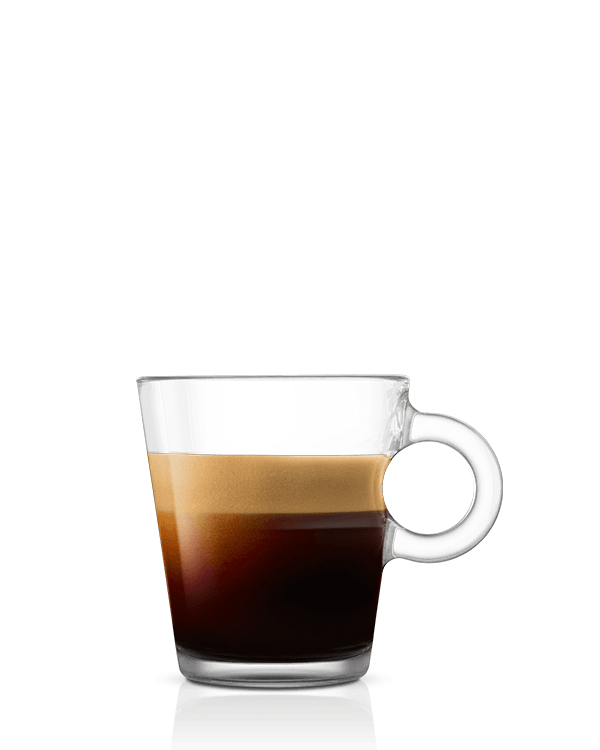
Espresso
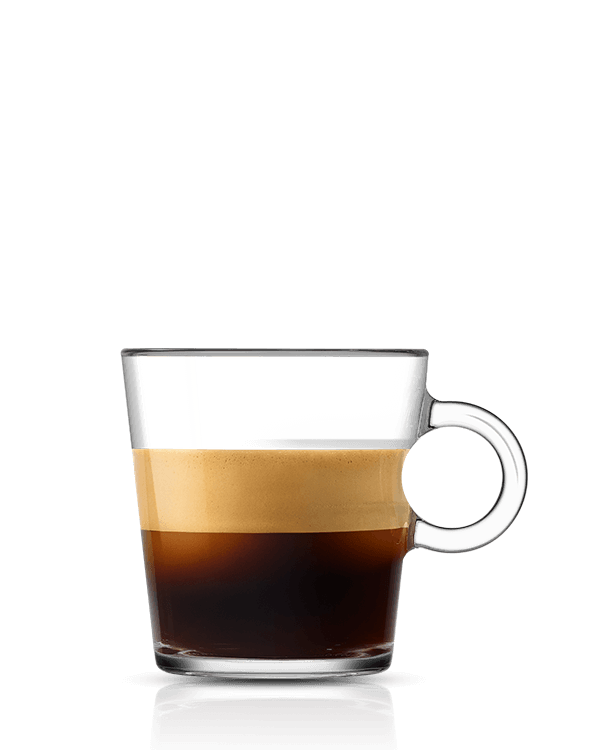
Double Espresso
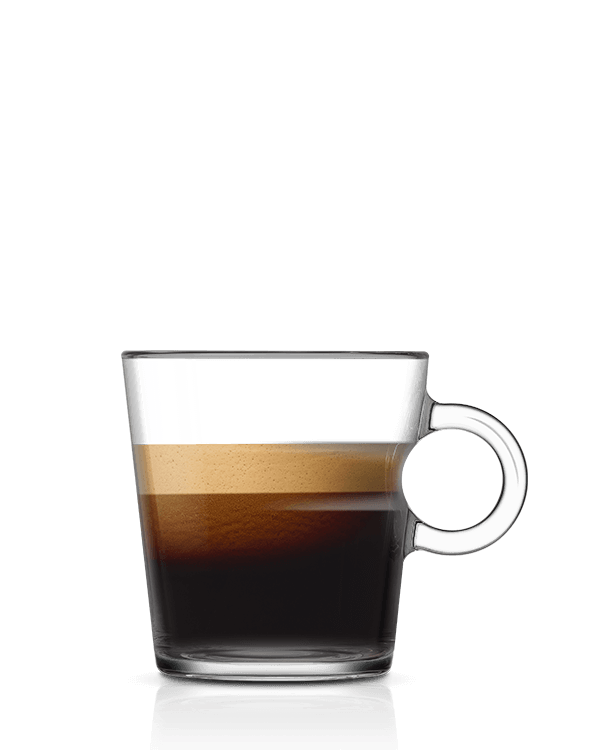
Lungo
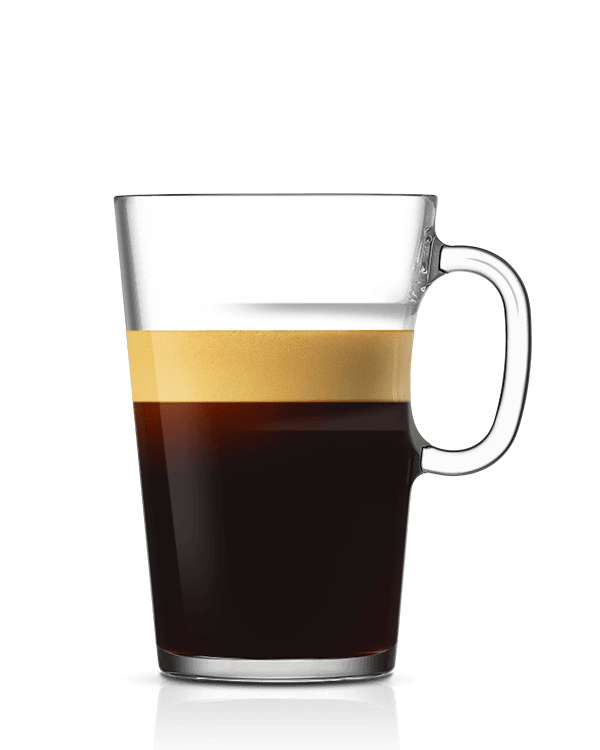
Gran lungo
Americano
Coffee
Alto Xl
Flat white
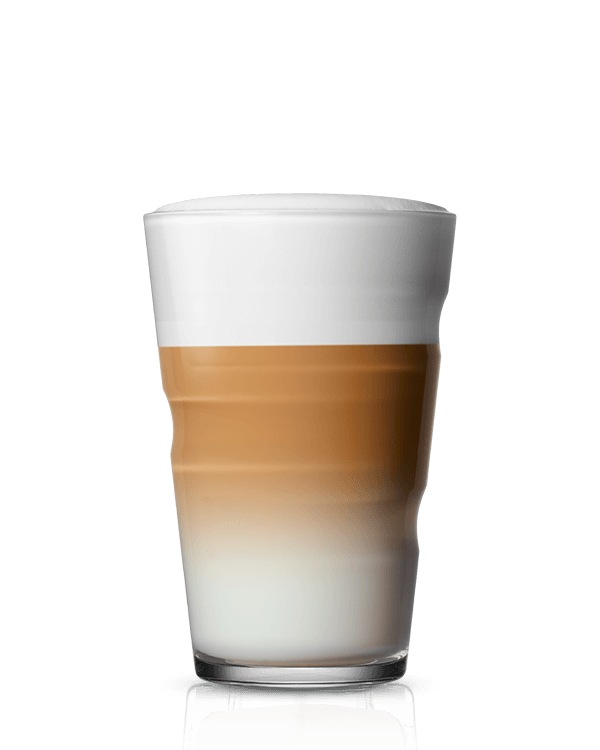
Macchiato
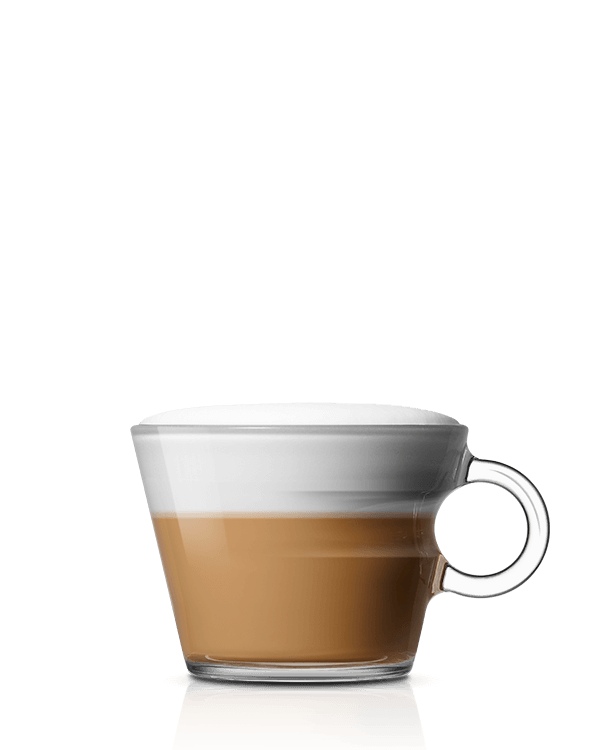
Cappuccino
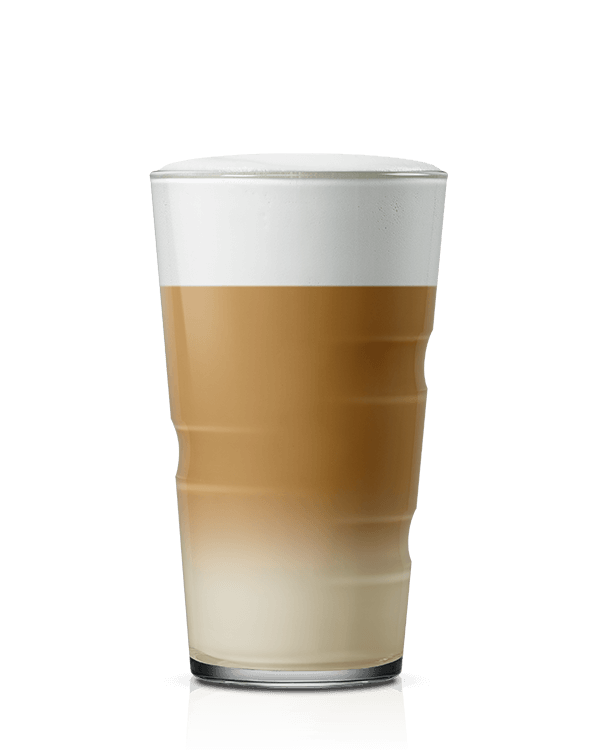
Latte
Ristretto
0.75oz ESPRESSO
A Ristretto is a short shot of espresso coffee, made with the same amount of grounds as our espresso size,
but
with about half the water. This makes the coffee's body syrupy and rich, for a truly intense experience.
Nespresso Tip:
Drink a small glass of water after consuming the Ristretto.
Shop Ristretto Coffees
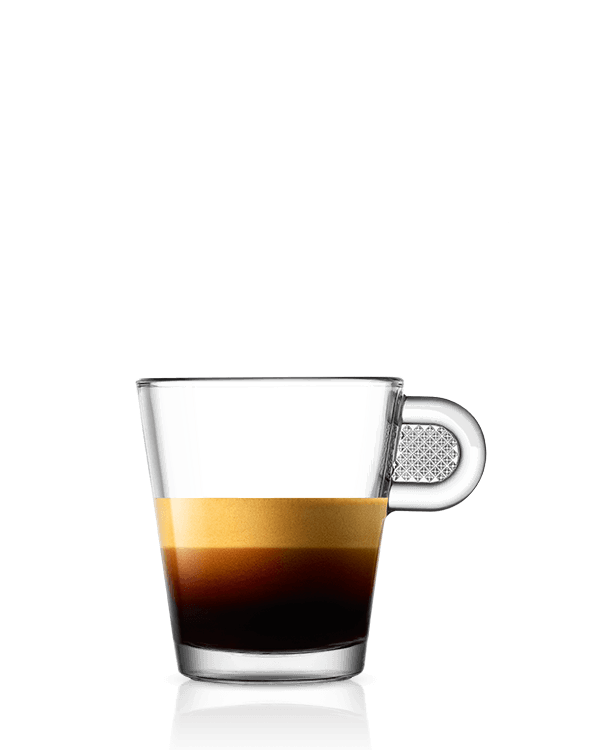
Espresso
1.35oz ESPRESSO
The quintessential classic, our espresso is made by sending pressurized water through finely ground coffee.
When made properly, it produces a rich, frothy crema which sits atop an intense 1.35 oz sip of pure coffee
flavor.
Shop Espresso Coffees
Double espresso
2.7oz ESPRESSO
Twice the fun! A double espresso is two servings of a classic espresso for a double-dose of Nespresso
flavor.
The increased amount of grounds in the Double Espresso capsule allows this drink to be made in one single
extraction.
Nespresso Tip:
Another name for a Double Espresso is a Doppio
Shop Double Espresso Coffees
Lungo
3.7oz ESPRESSO
Literally meaning "long" in Italian, the Lungo is our 'long Pour' espresso drink. Made with a traditional
amount of espresso coffee grounds but with more than double the water, this long espresso allows more
delicate
notes to be revealed.
Shop Lungo Coffees
Gran lungo
5oz ESPRESSO
Like our Lungo, our Gran Lungo size brews more water for a lighter, more fluid cup overall…but the Gran
Lungo
capsule contains almost double the amount of coffee as our espressos, so the flavors delivered are still
bold
and complex.
Shop Gran Lungo Coffees
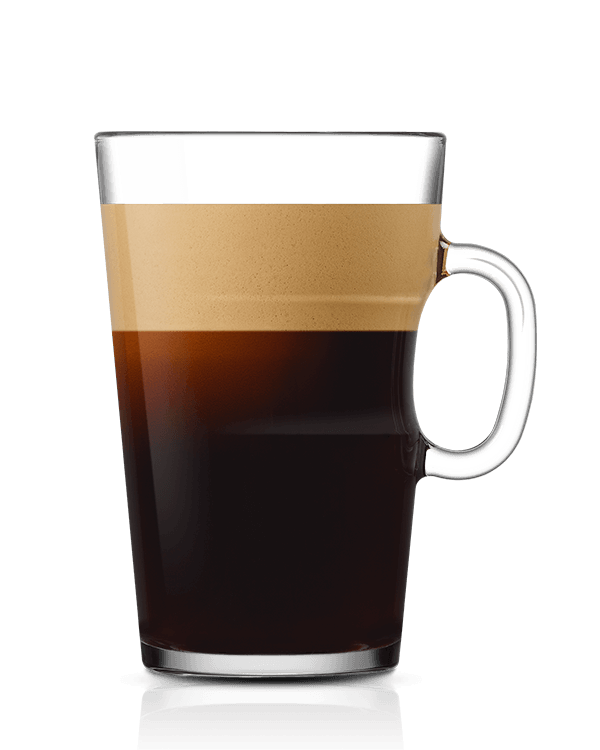
Coffee
7.7oz COFFEE
We put our own 'spin' on the American classic…literally! Vertuo Centrifusion™ Technology rotates the capsule
while brewing for a delicious, one-touch delivery of a 7.7 oz coffee beverage.
Nespresso Tip:
Be adventurous - try some of our coffees black! Try sipping them like fine wine or whiskey, and notice the
delicate flavor notes.
Shop Coffees
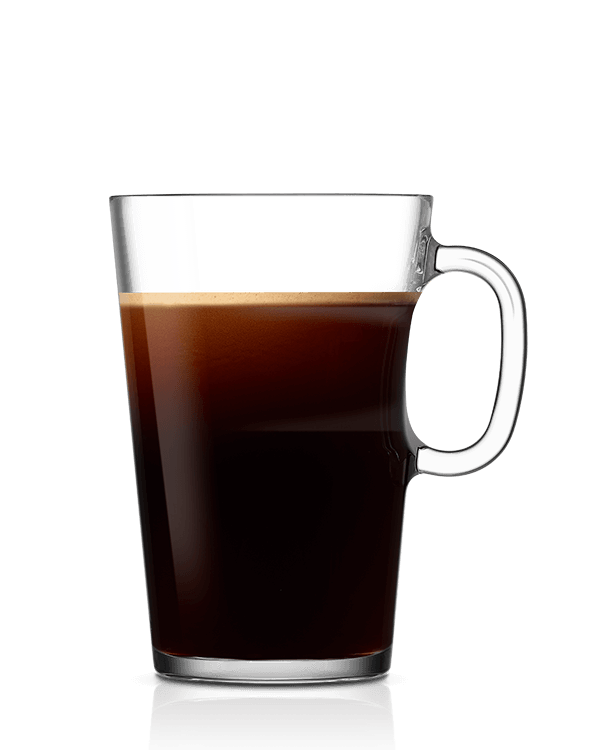
Americano
8oz BEVERAGE
Beginning with a traditional espresso shot, an Americano has an equal amount of hot water added to it,
resulting in a smooth, flavorful beverage.
Shop Americano Coffees
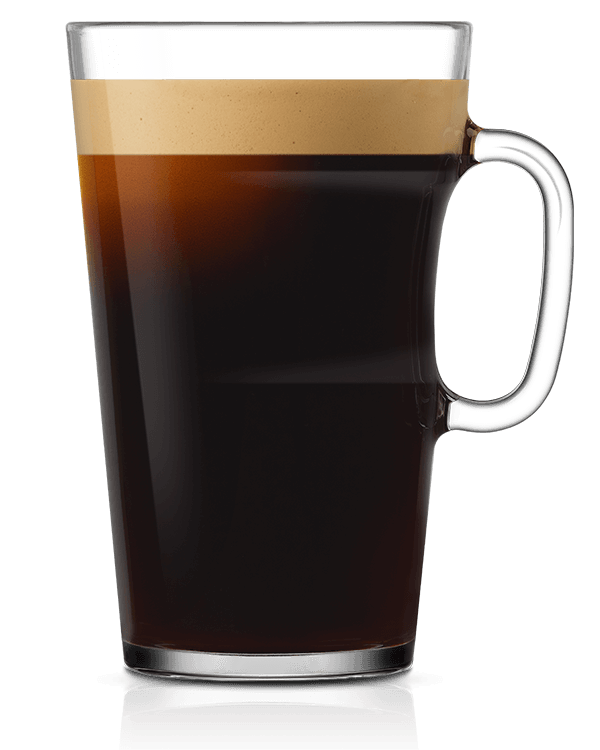
Alto XL
14oz ESPRESSO
You asked... We delivered. Our largest coffee size yet! Cafe Alto is for those who like a larger mug of
traditional american style coffee…with complexity from first sip to last!
Nespresso Tip:
Try an Alto coffee in one of our double-walled insulated travel mugs
Shop Alto XL Coffees
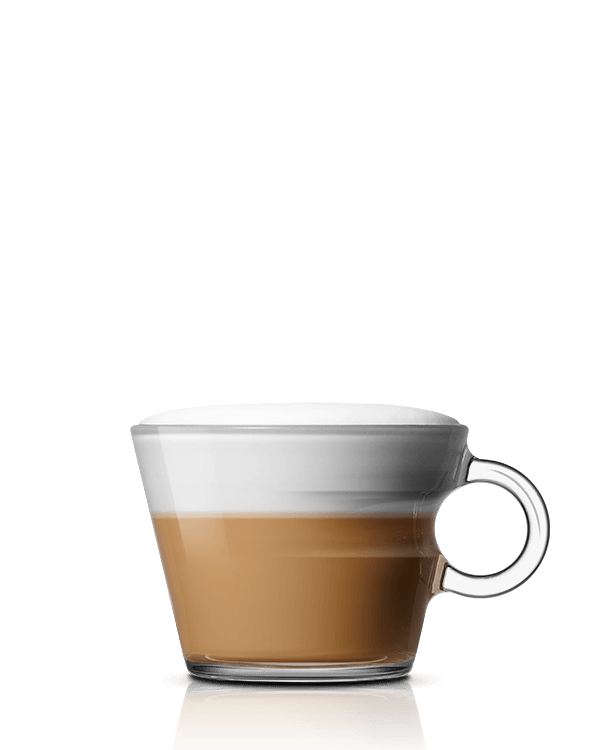
Flat white
1.5oz Espresso + 3.0oz Steamed Milk
One or two shots of espresso are combined with microfoamed milk for a simple but unique drink with a dense,
velvety texture that survives from first sip to last.
See Flat White Recipes
Macchiato
1.5oz ESPRESSO + 3.0oz STEAMED MILK
Translated as 'stained', the name 'macchiato' refers to the small cap of milk foam that's quickly placed
across the surface of an espresso. The small addition lends a bit of lightness to every sip of your
espresso.
Nespresso Tip:
Try pouring the coffee in a swirl, to create exquisite are in the top foam layer.
See Macchiato Recipes
Cappucino
1.5oz ESPRESSO + 2.0oz STEAMED MILK
A cappuccino starts with an espresso base to which frothed milk is added. A thick, generous foam layer
separates onto the top of the beverage for its signature, pillowy look.
Nespresso Tip:
Try dusting the foam with cinnamon or cocoa powder for an extra layer of flavor.
See Cappuccino Recipes
Latte
1.5oz ESPRESSO + 3.0oz STEAMED MILK
Different from a cappuccino, which has equal parts steamed milk and foam, a latte combines a generous amount
of hot milk with a shot or two of espresso… topped by a very thin layer of foam.
Nespresso Tip:
Add a touch of your favorite flavored drink syrup to create coffeehouse-style drink at home.
See Latte Recipes
Roast Level
Light, dark, mild, strong - we’ve all heard many terms to describe coffee.
Nespresso makes it easy to find your style with our Intensity Rating.
Light roasts
Our light roast coffees are roasted for less time or under lower temperatures, to produce coffees that are
bright and mild with crisp notes of citrus and red fruit, or delicate floral aromas.
Roast Character: Bright • Crisp • Mild
Also available in decaf
Shop light Roast coffees
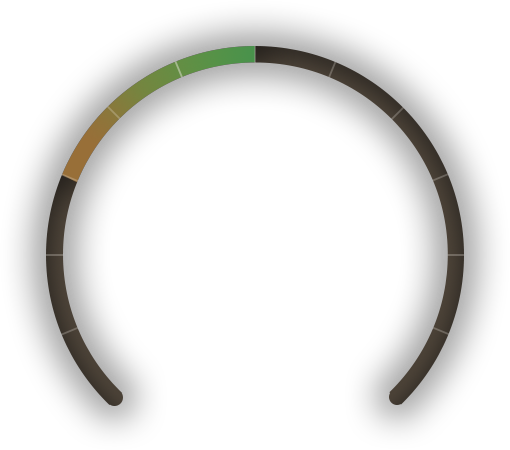
intensity level
rating


rating
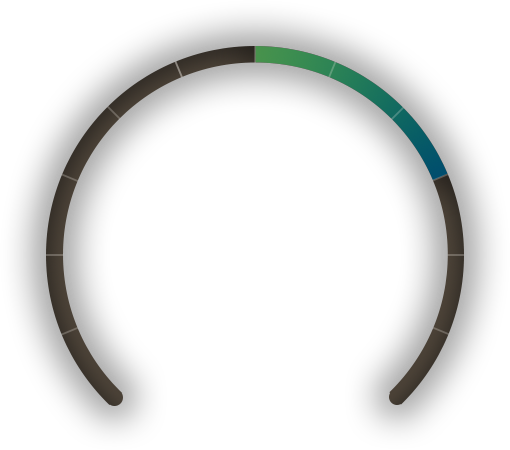
Nespresso defines intensity as a combination of a coffee’s “roastiness”, its body and its bitterness,
not by the amount of caffeine in the coffee.
3 - 6
0
6
12
Medium roasts
Our medium roast coffees are crafted for balance, have a slight depth and lend a smooth, toasted flavor
overall. You'll notice a wide variety of notes, from honey and sweet cereal, to biscuit and caramel.
Roast Character: Smooth • Balanced • Rich
Also available in decaf
Shop medium Roast coffees
intensity level
rating
rating
Nespresso defines intensity as a combination of a coffee’s “roastiness”, its body and its bitterness,
not by the amount of caffeine in the coffee.
6 - 9
0
6
12
Dart roasts
Our dark roast coffees are roasted for longer periods of time to reveal deep, intense flavors. Expect earthy
and exotic notes of toasted spice and deep cocoa.
Roast Character: Robust • Roasty • Intense
Also available in decaf
Shop dark Roast coffees

intensity level
rating
rating
Nespresso defines intensity as a combination of a coffee’s “roastiness”, its body and its bitterness,
not by the amount of caffeine in the coffee.
9 - 12
0
6
12
Coffee Facts
Does a higher intensity coffee have more caffeine?
At Nespresso we define 'intensity' as a combination of a coffee’s “roastiness” (or perception of its roast), its body and its bitterness..not by the amount of caffeine in the coffee. Look at Ristretto Decaffeinato..it's intensity 10 but it's FULLY DECAFFEINATED.
Regional profiles
Different regions can produce coffee with wildly different flavor characteristics (which can be further enhanced
or changed by roasting). Learn about the different coffee personalities from around the globe.
Brazil
Colombia
Costa Rica
Cuba
Ethiopia
Guatemala
India
Indonesia
Kenya
Mexico
Nicaragua
Peru
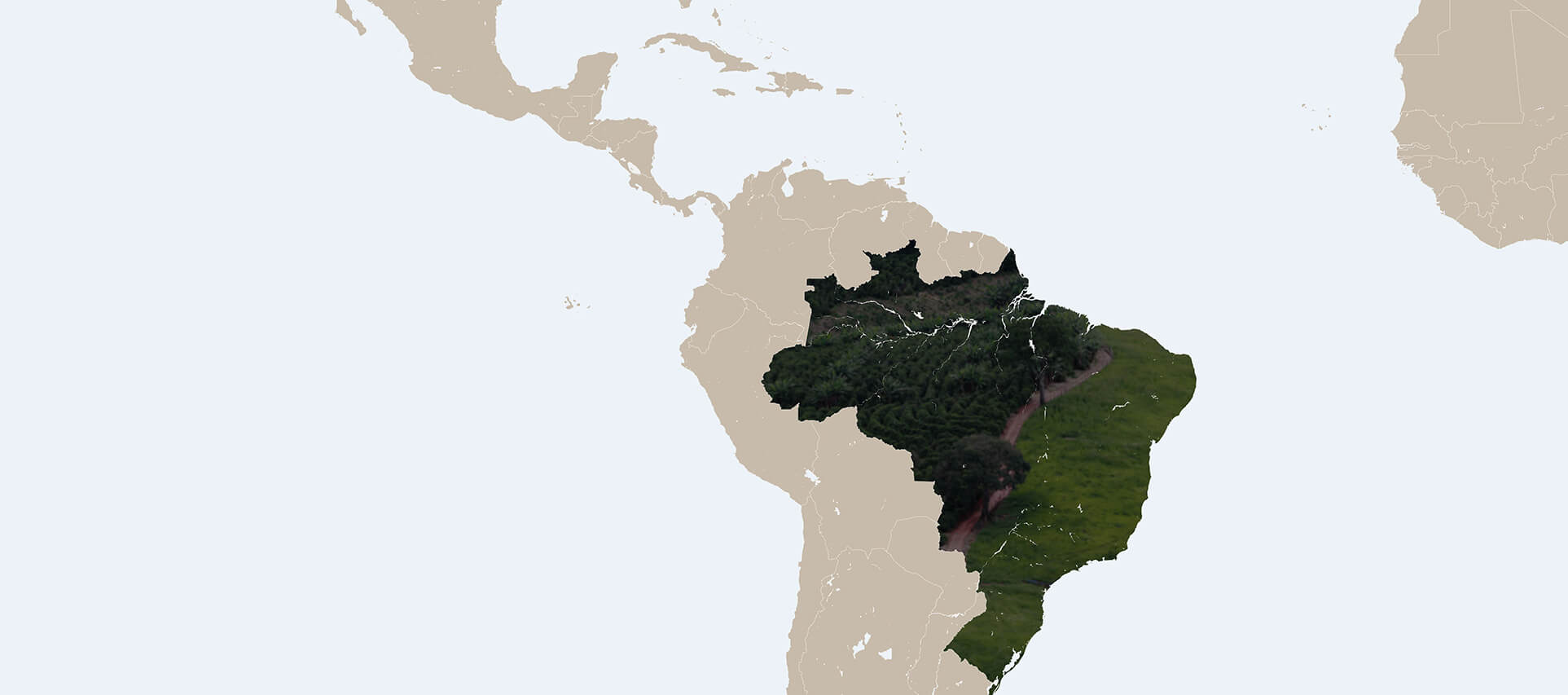
Brazil
Brazilian coffee is prized for its neutrality, lending a solid toasted base to many of our espressos.
-
 Varieties GrownArabica
 -
 Tasting NotesSweet, neutral, smooth
 -
 Elevation900-1300 m
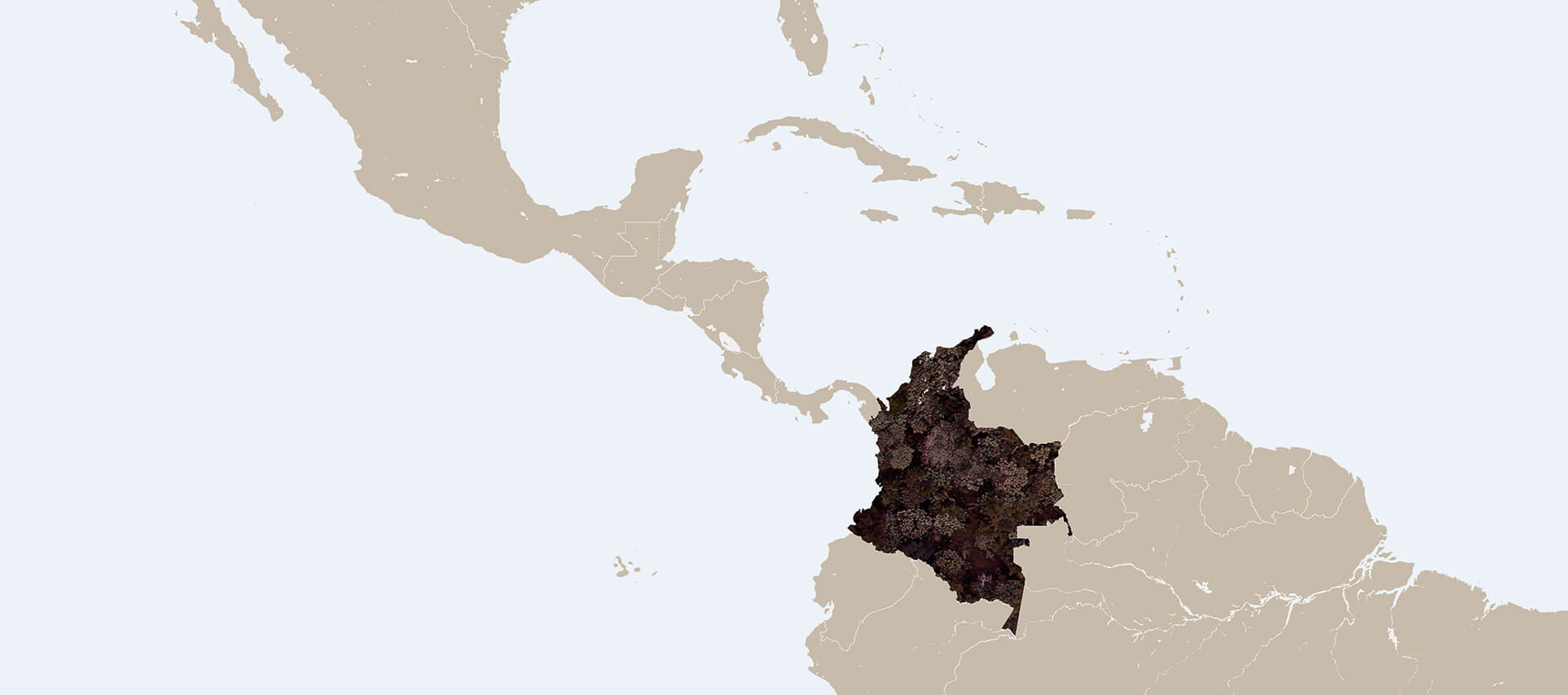
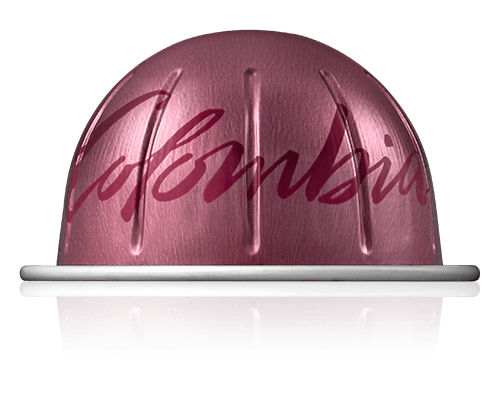
Colombia
Columbian coffee is popular for good reason: its medium bodied, finely acid coffees has a fantastic balance
that pleases most coffee palettes.
-
Varieties GrownArabica
-
Tasting NotesFine acidity, winey flavor
-
Elevation1800-2300 m
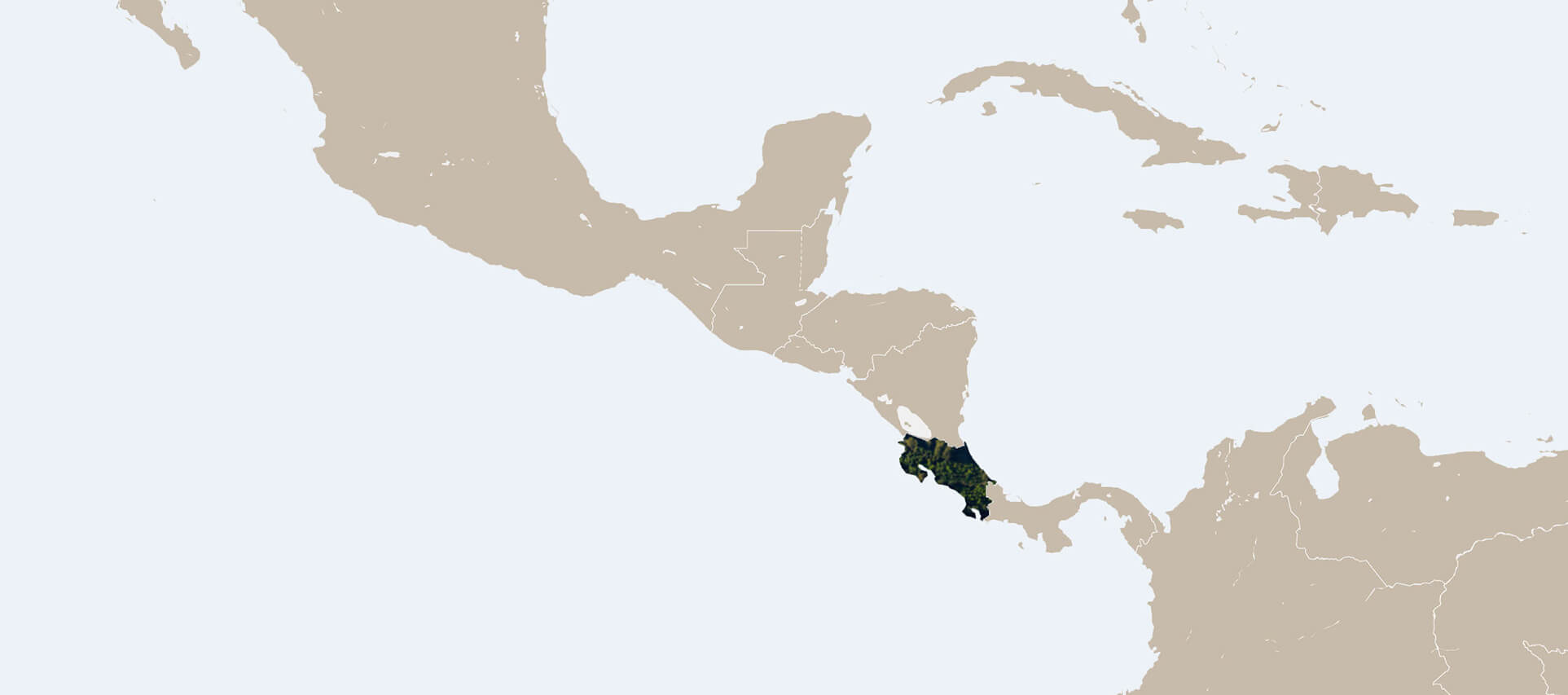
Costa Rica
Costa Rican coffees are prized for their malty notes, which can transform into deep cocoa notes when
roasted.
-
Varieties GrownArabica
-
Tasting NotesMalty, full-bodied
-
Elevation1000-1200 m
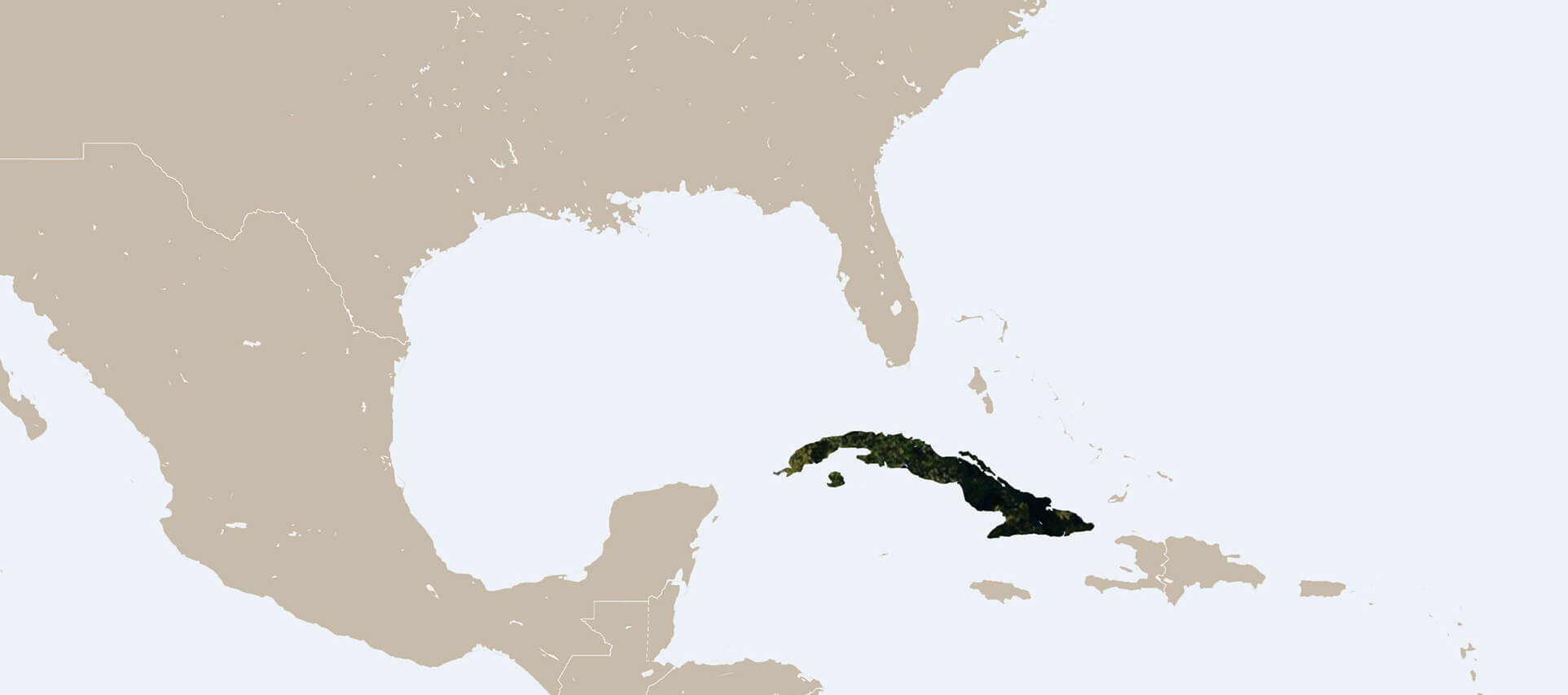
Cuba
Cuban Coffees, when roasted dark, reveal smoky sweet flavors, like tobacco and molasses and spice. Perfect
for
the typical full-body of a Cuban coffee.
-
Varieties GrownArabica
-
Tasting NotesSmoky, molasses, earthy
-
Elevation800-1800 m
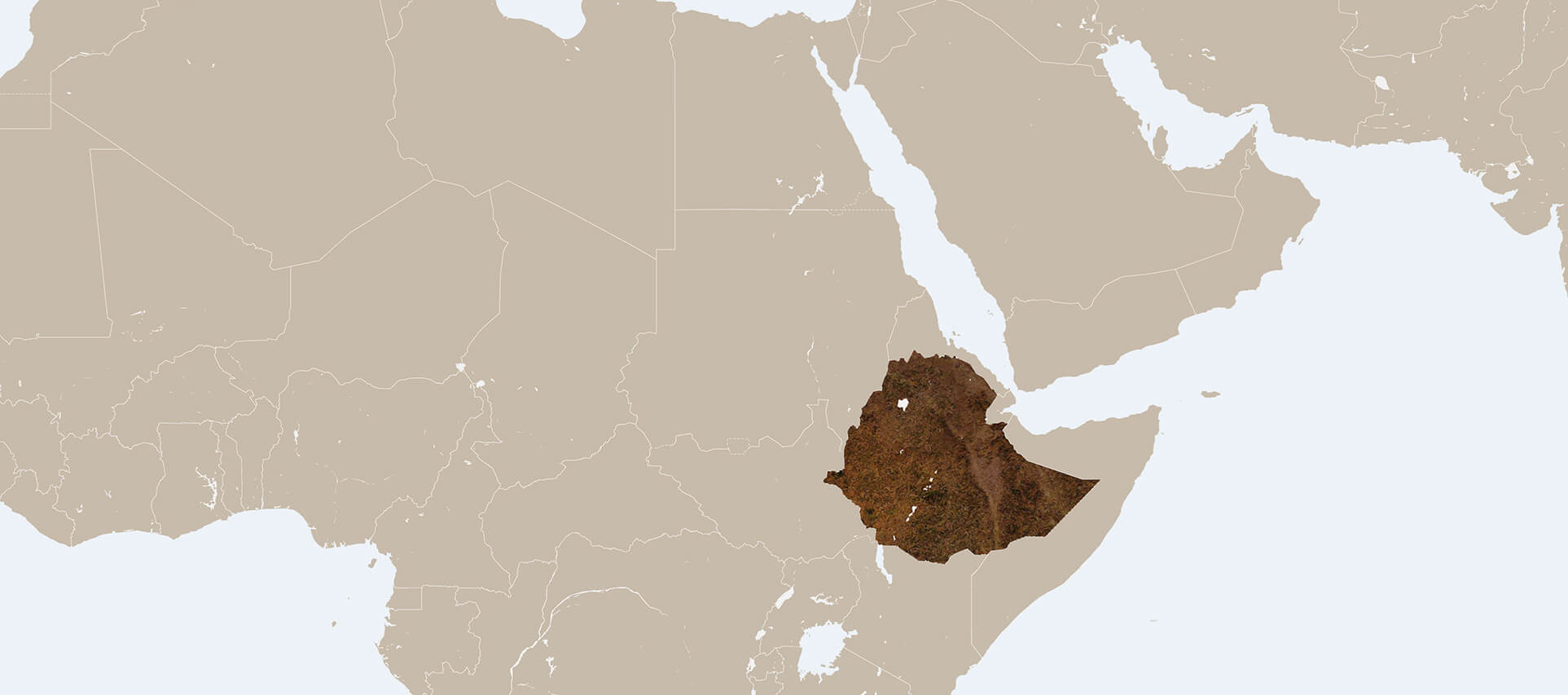
Ethiopia
Ethiopian coffees are sourced from a variety of locations, lending complexity to the cup, with flavors
ranging
from bright blueberry and apricot, to more aromatic floral, green tea, and citrus notes.
-
Varieties GrownArabica
-
Tasting NotesFloral, delicate acidity
-
Elevation1600-2000 m
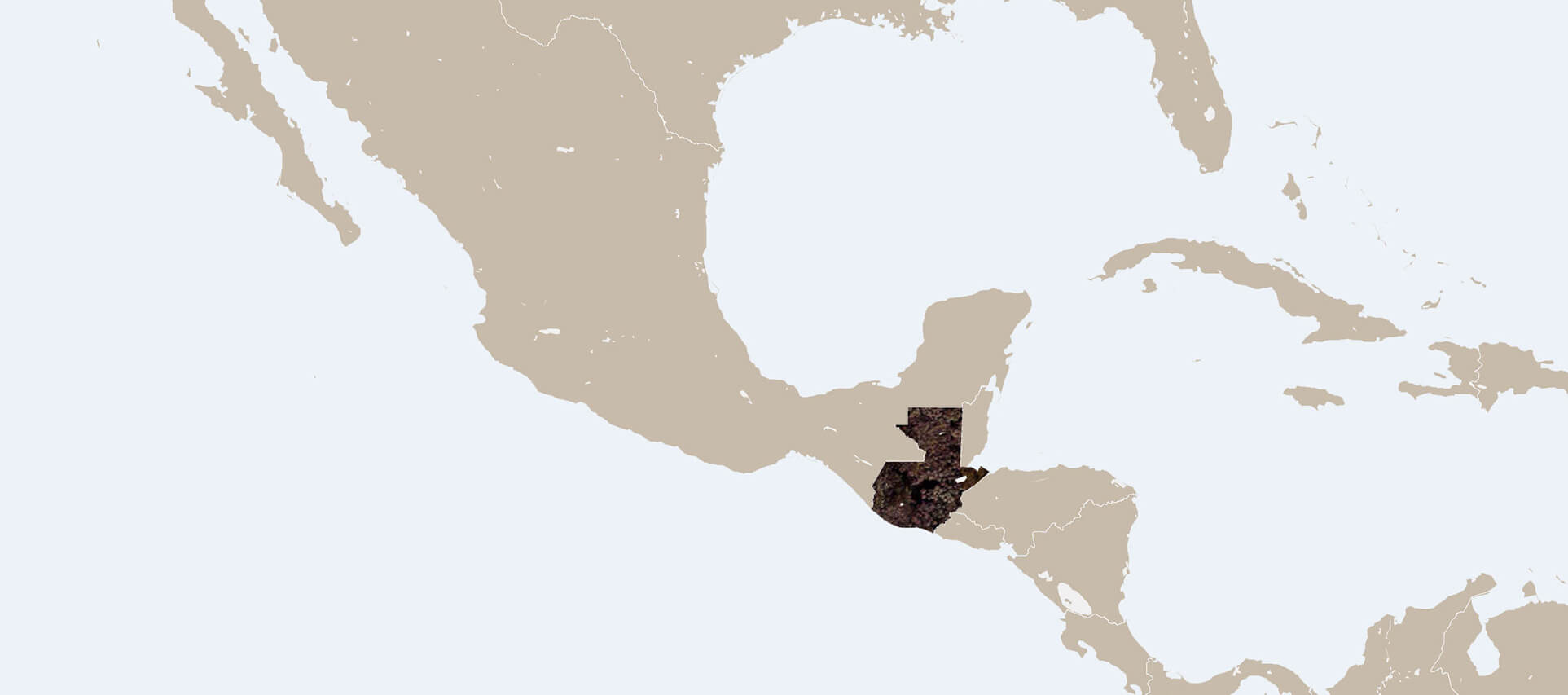
Guatemala
Grown at relatively high altitudes, Guatemalan coffee has a fruity note with wonderfully elegant flavor.
-
Varieties GrownArabica
-
Tasting NotesFruity notes, elegant flavors
-
Elevation1500 - 1800 m
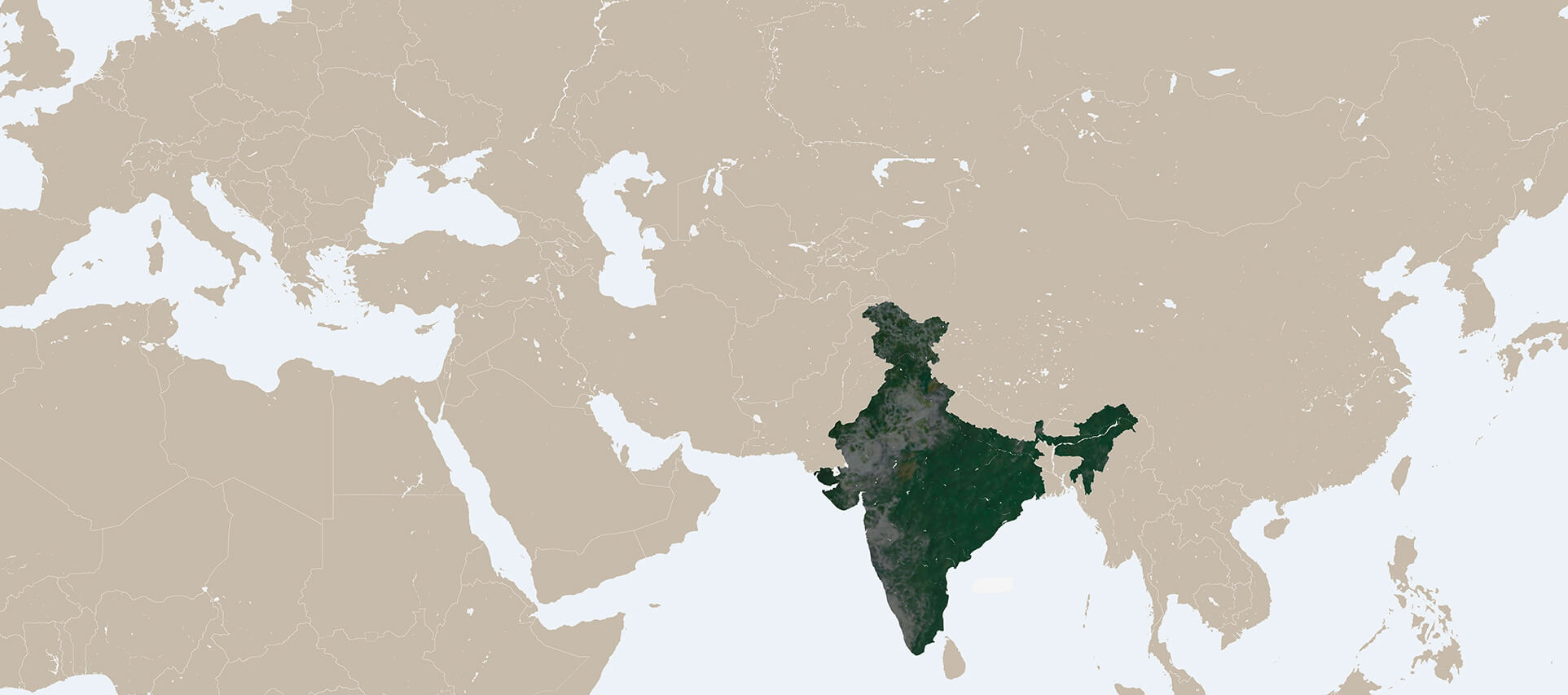
India
Indian coffee is unique in that much of its coffee is grown entirely under the shade of other trees. This
allows the slow development of big flavors, expressed in an exotic, full-bodied cup.
-
Varieties GrownArabica, Robusta
-
Tasting NotesDry Cereal and Vegetal
-
Elevation900-1200 m
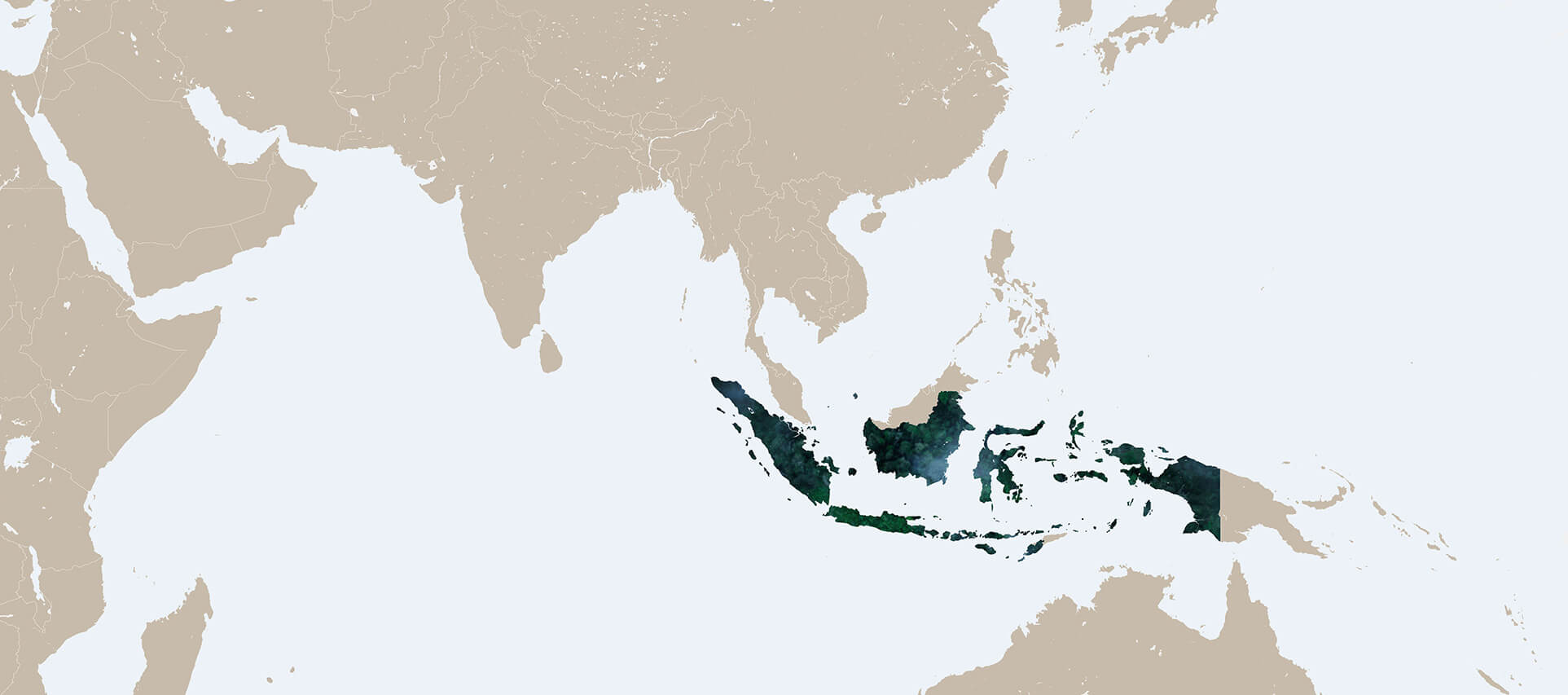
Indonesia
When roasted dark, Indonesian coffees reveal the complex earthy flavors of molasses, dark chocolate and
spice.
-
Varieties GrownArabica
-
Tasting NotesDry fruit, nutty
-
Elevation800 - 1500m
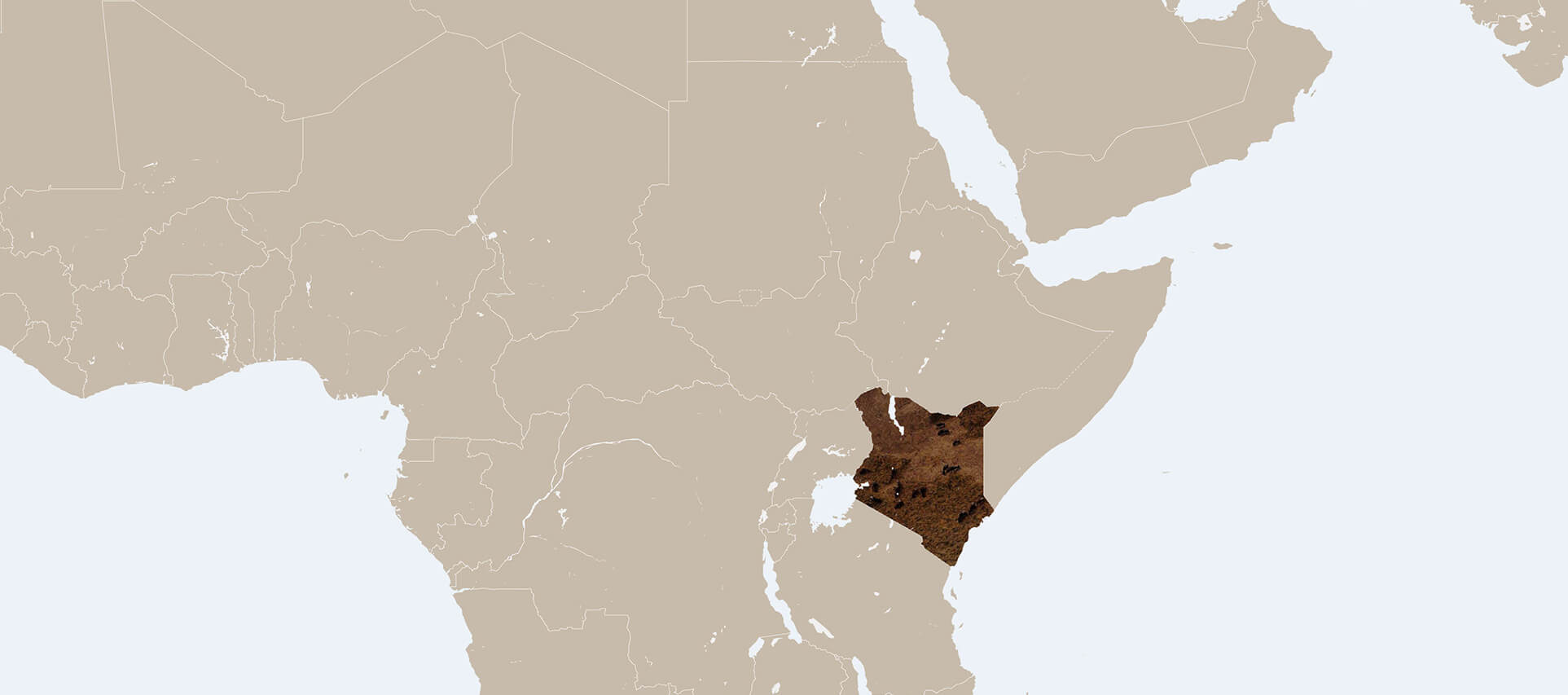
Kenya
Like other African beans, Kenyan coffee is intensely aromatic and complex. This region is known for the high
acidity it delivers, with notes of citrus and blackberry.
-
Varieties GrownArabica
-
Tasting NotesAcidity, citrus, blackberry
-
Elevation1500-2000 m
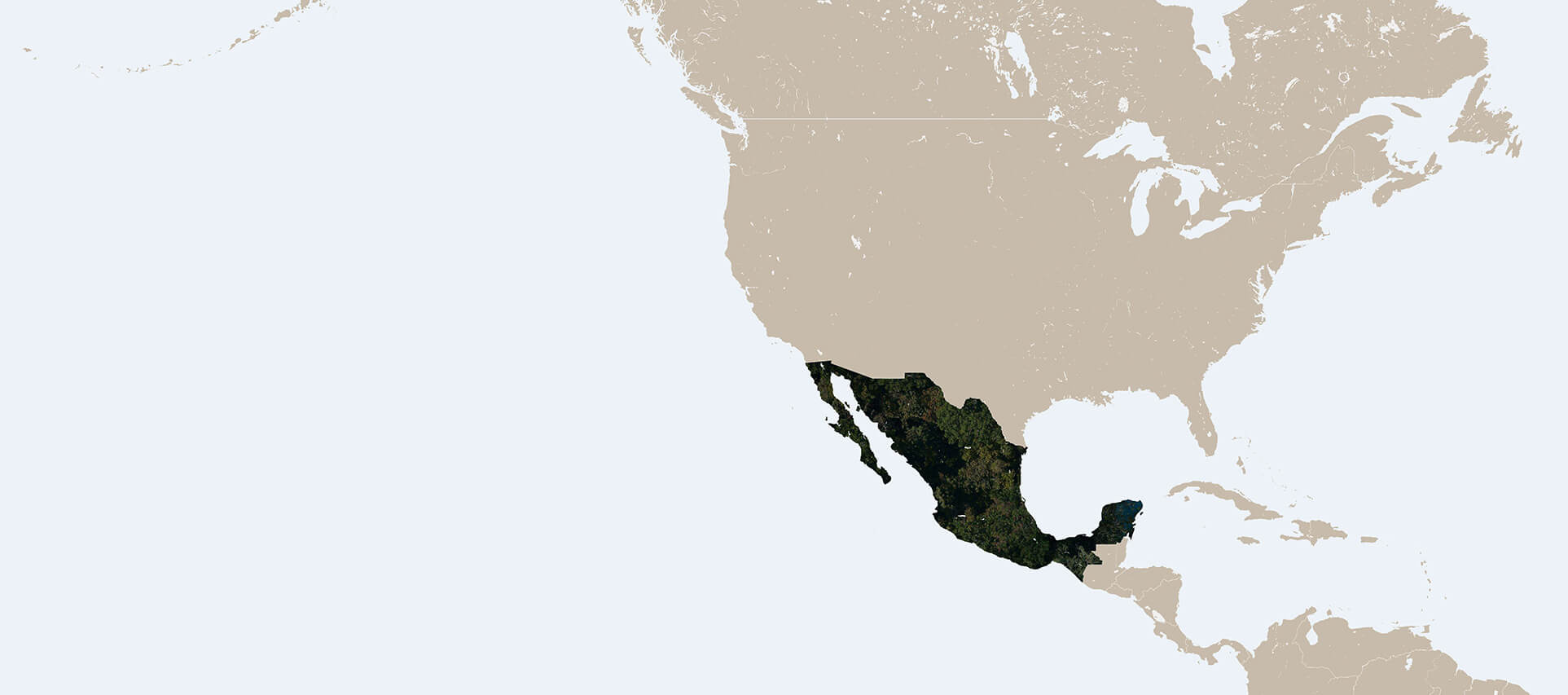
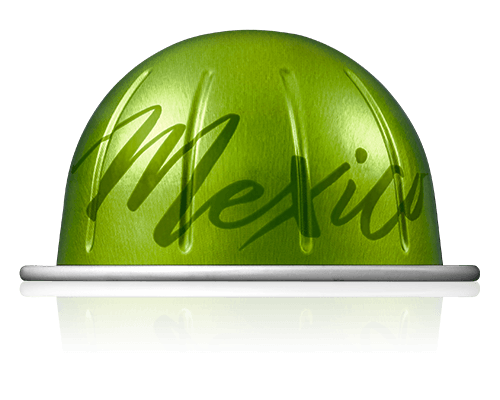
Mexico
Mexican coffee is strictly grown at higher altitudes, giving the final cup distinct acidity, with intense
notes of green apple and grapefruit.
-
Varieties GrownArabica
-
Tasting NotesGreen apple, grapefruit, cereal
-
Elevation900-1700 m
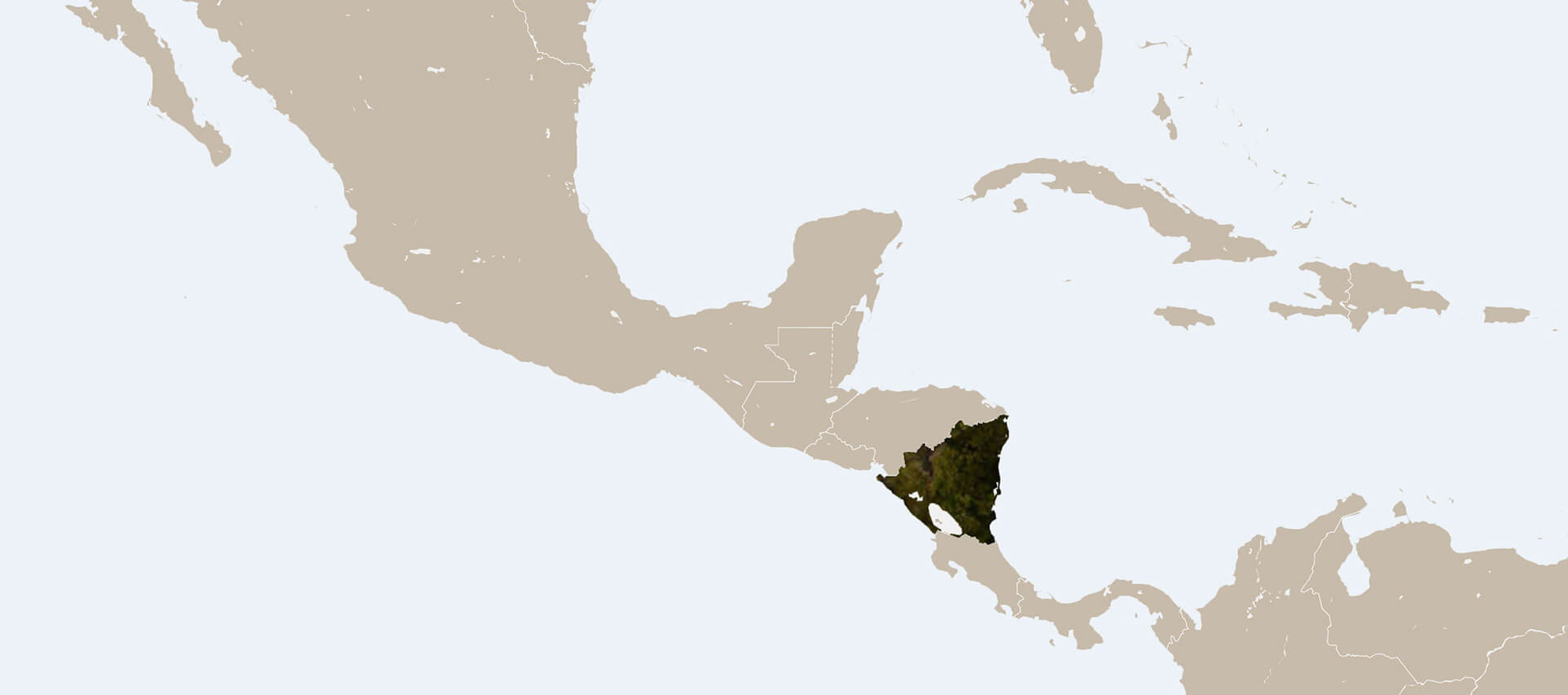
Nicaragua
Nicaraguan coffee grows amongst rich volcanic soil in a climate with distinct rainy and dry seasons. The
resulting coffee has fresh, green herbal notes.
-
Varieties GrownArabica
-
Tasting NotesGreen herbal notes, sweet fruit
-
Elevation1100-1400 m
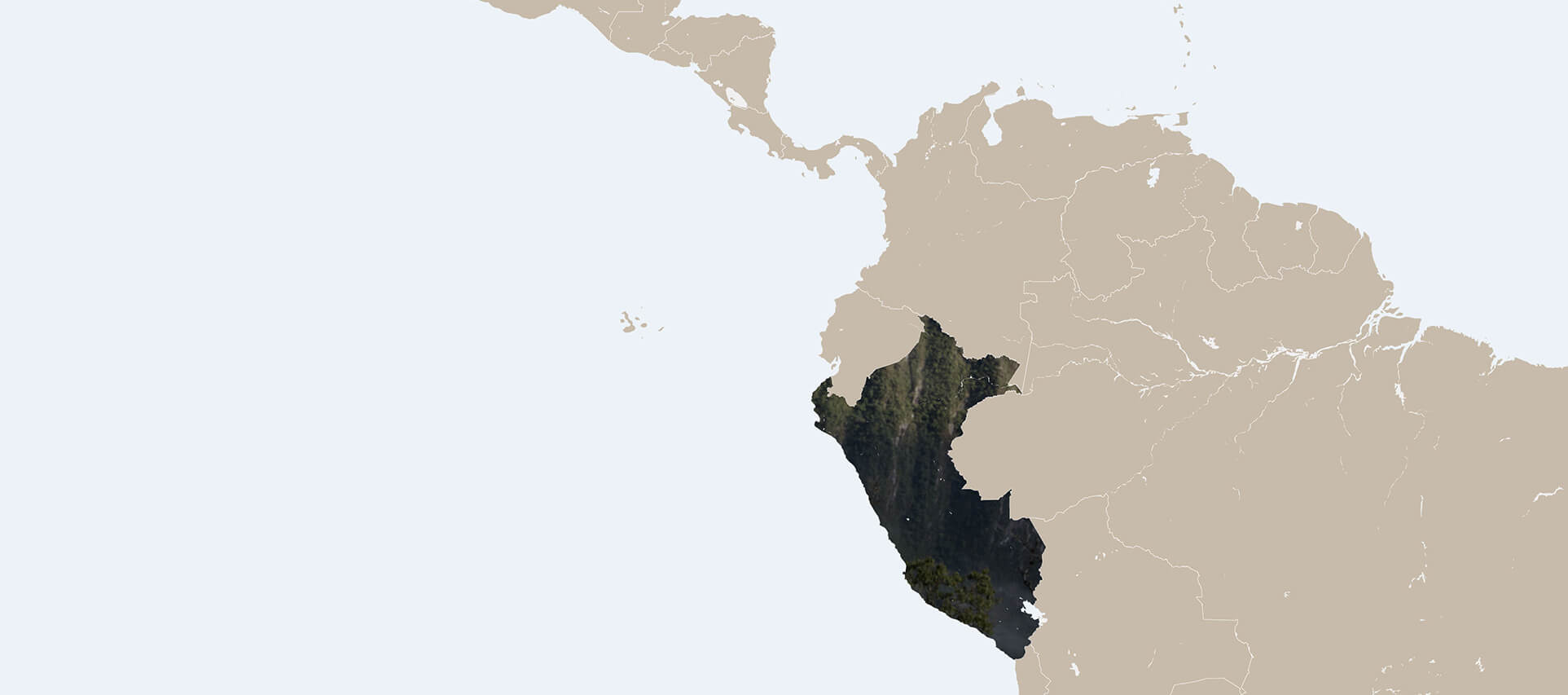
Peru
Grown in environments naturally shaded by heavy cloud cover, Peruvian coffees are bright and acidic, but are
balanced by rich, caramelly sweetness, and general nutty undertones.
-
Varieties GrownArabica
-
Tasting NotesVegetal, lemony
-
Elevation1450-1950 m
Coffee Facts
Arabica or Robusta: Which one is better?
The simple answer is...both are wonderfully delicious! It just depends on the flavor profile you are going for. Both varieties contribute unique characteristics to your final cup: Arabica coffees bring an overall smoothness and balance, with bright, fruit and cereal notes. Robusta beans contribute depth, richness and spice. Way back in coffee history, Robusta earned a bad reputation...but rest-assured that Nespresso holds all of its coffee to the highest of quality standards.
Multiple vs single origin
Multiple Origin
Multiple Origin coffees are comprised of beans from multiple origin countries, growing regions and farms. This
diversity offers complexity in the cup: a gentle, toasted base might be accented with notes of blueberry, or
deepened with touches of spice.
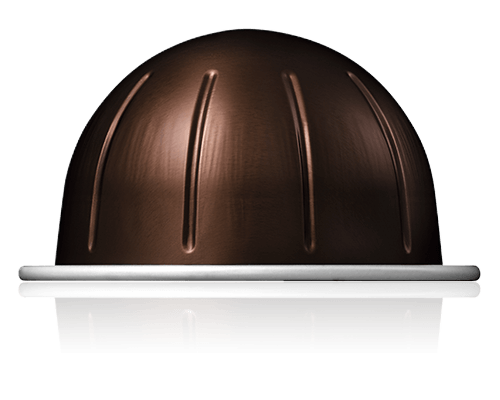
Popular Multiple-origin Blends
Single Origin
Single Origin coffees are comprised of coffee from the same country, growing region or cluster of farms.
Single-origin coffees are the truest expression of the regions they come from, and are a great way to observe
(taste) characteristics which are particular or unique to that area.
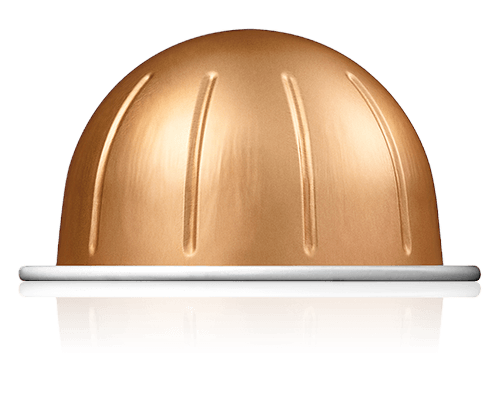
Popular Single-origin Blends